
Contingency Management Treatment Centers
Contingency Management uses positive reinforcement and tangible rewards to encourage sobriety and treatment engagement. Research shows this approach is particularly effective for stimulant addiction and improving treatment retention.
Found 667 treatment centers offering contingency management across the United States.
Need Help Finding the Right Treatment Center?
Speak with a compassionate specialist now - 100% free & confidential
Showing 16 of 667 contingency management treatment centers
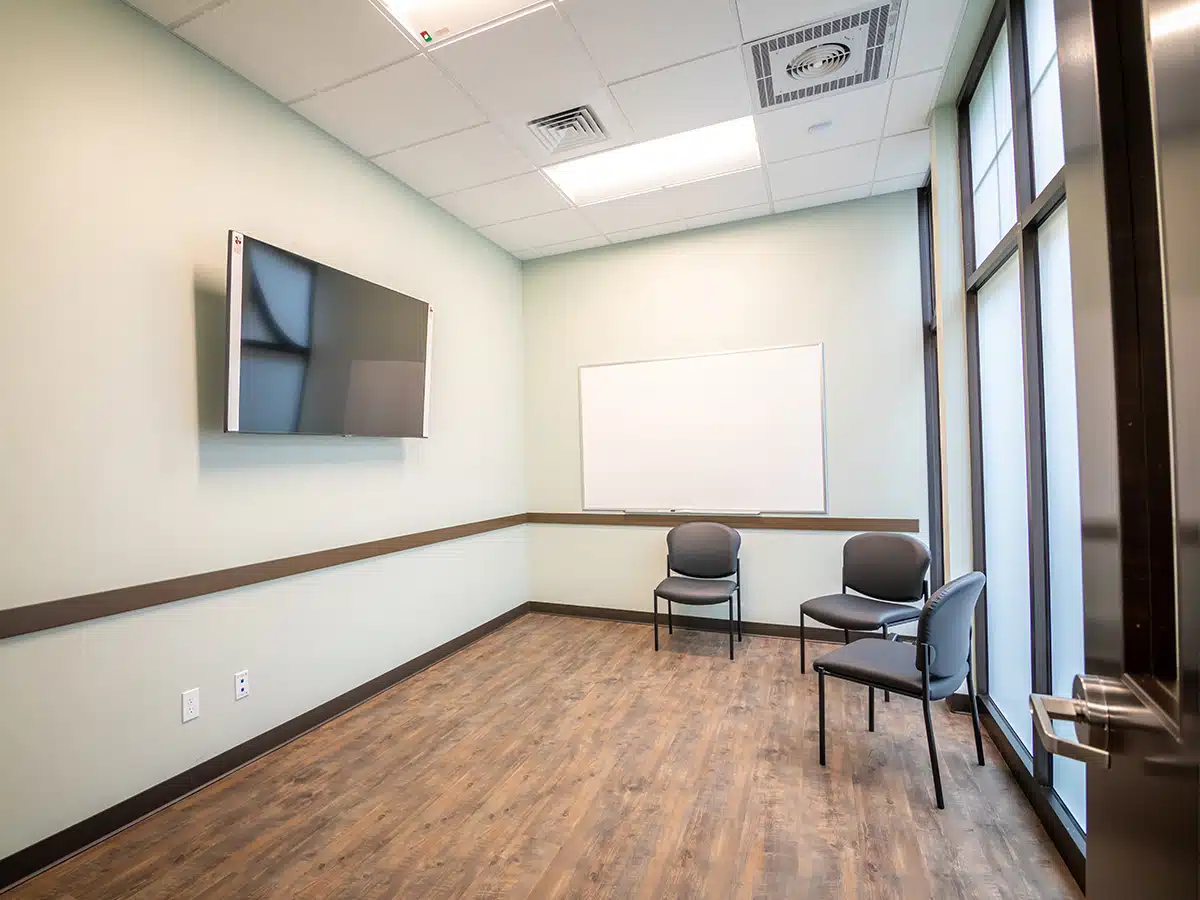
Situated in Triadelphia, West Virginia, Wheeling Comprehensive Treatment Center specializes in outpatient detoxification and substance use treatment. The facility is designed to serve a diverse client base, including adult men, adult women, and individuals who have faced intimate partner violence, all while providing comprehensive care tailored for adults and seniors. The treatment approaches employed at this center feature brief interventions, cognitive behavioral therapy, and contingency management with motivational incentives. In addition to its core services, Wheeling Comprehensive Treatment Center provides outpatient treatment options involving methadone, buprenorphine, or naltrexone, complemented by regular outpatient services. The center is dedicated to supporting both male and female clients in their pursuit of effective rehabilitation solutions within a nurturing environment.
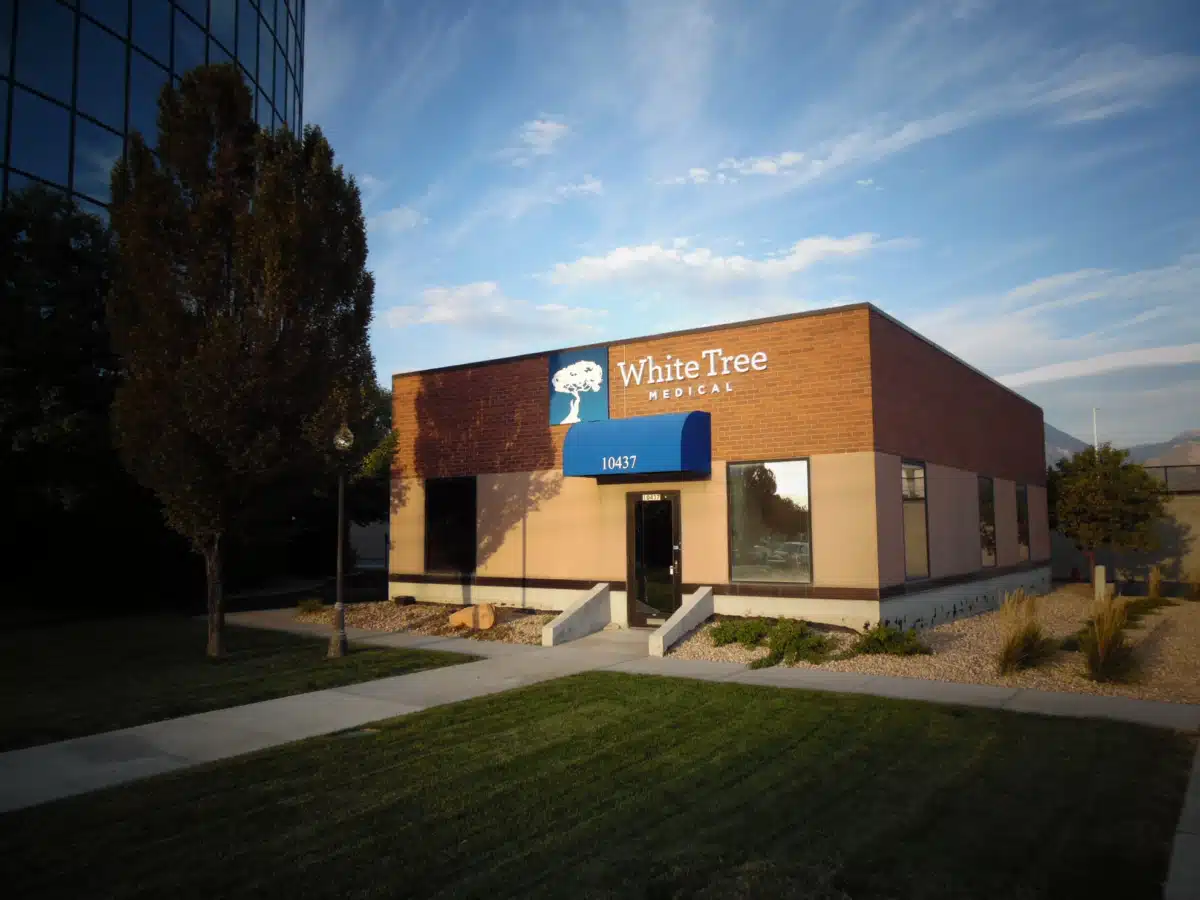
White Tree Medical, located in South Jordan, Utah, provides outpatient detoxification and treatment for substance use aimed at both adults and young adults. The facility is particularly focused on addressing co-occurring substance use disorders alongside significant mental health challenges in adults, as well as emotional disturbances in children. White Tree Medical offers a variety of programs specifically designed for active duty military personnel, men, and women. The center implements evidence-based strategies, including motivational interviewing and contingency management, to ensure high-quality care for all clients, regardless of gender. Whether individuals are in need of short-term intervention or continuous treatment options involving methadone or buprenorphine, White Tree Medical is dedicated to supporting them throughout their recovery process.

Situated in Winston Salem, NC, Winston Salem Comprehensive Treatment Center specializes in a wide array of substance use treatment programs tailored for both adults and young adults. The center offers outpatient services that include options like outpatient methadone or buprenorphine therapy, as well as naltrexone treatment. In addition, the facility provides regular outpatient treatment alongside specialized programs designed specifically for men, women, and those who are pregnant or postpartum. Emphasizing evidence-based methodologies, the center incorporates techniques such as brief intervention, cognitive behavioral therapy, and contingency management with motivational incentives. This allows Winston Salem Comprehensive Treatment Center to effectively support both male and female clients as they work through their addiction challenges. The center is committed to delivering personalized care that promotes individuals' recovery journeys.
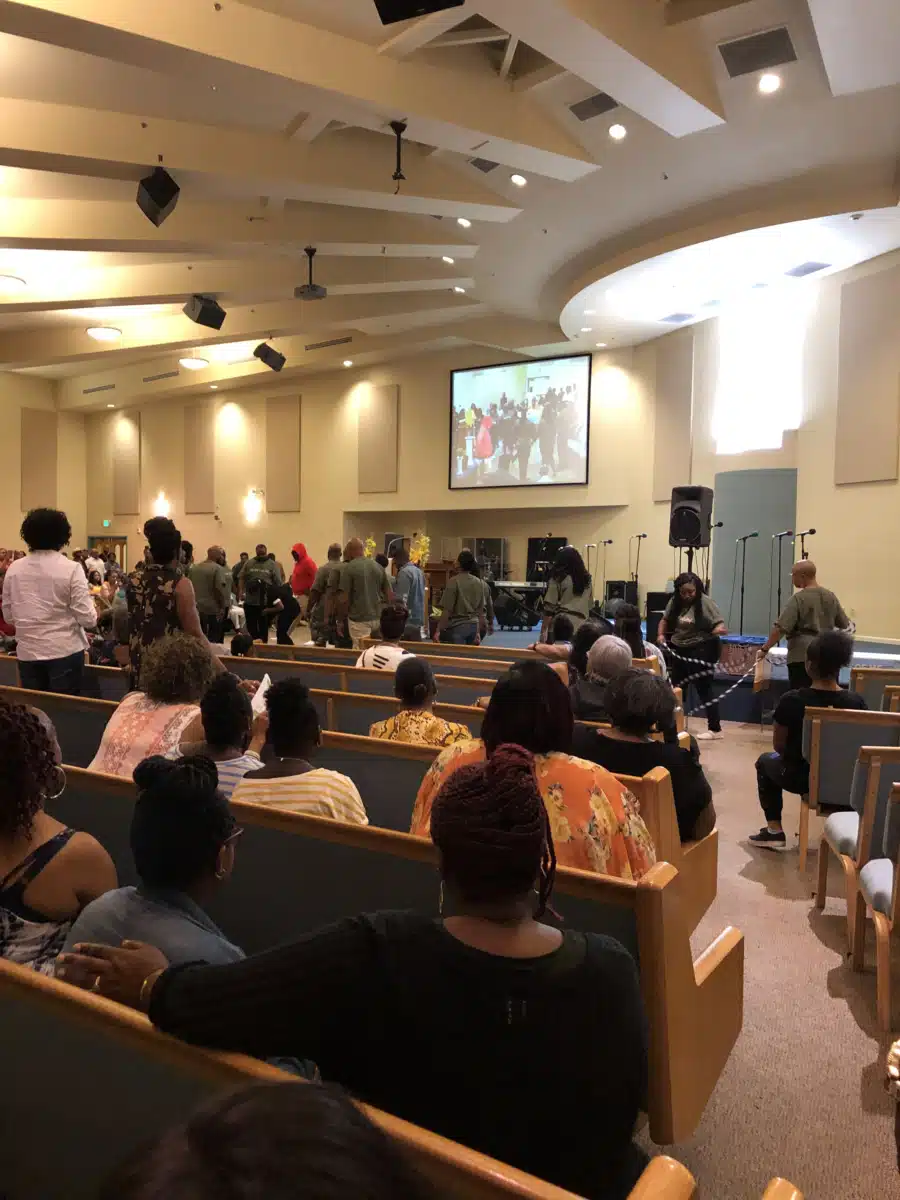
Wistar R and R Program Inc, situated in Oakland, California, provides long-term residential care along with 24-hour support tailored specifically for adult men who are facing challenges due to substance use disorders. The facility employs a variety of treatment modalities, including 12-step facilitation, contingency management, and relapse prevention, ensuring a comprehensive approach to recovery. Catering to a range of adult men, including seniors and young adults, Wistar R and R Program Inc places a strong emphasis on individualized care, allowing for treatment plans that align closely with each person's unique needs. The center is recognized for its wide array of services and specialized programming designed to foster a nurturing environment for men pursuing evidence-based addiction treatment and lasting recovery.
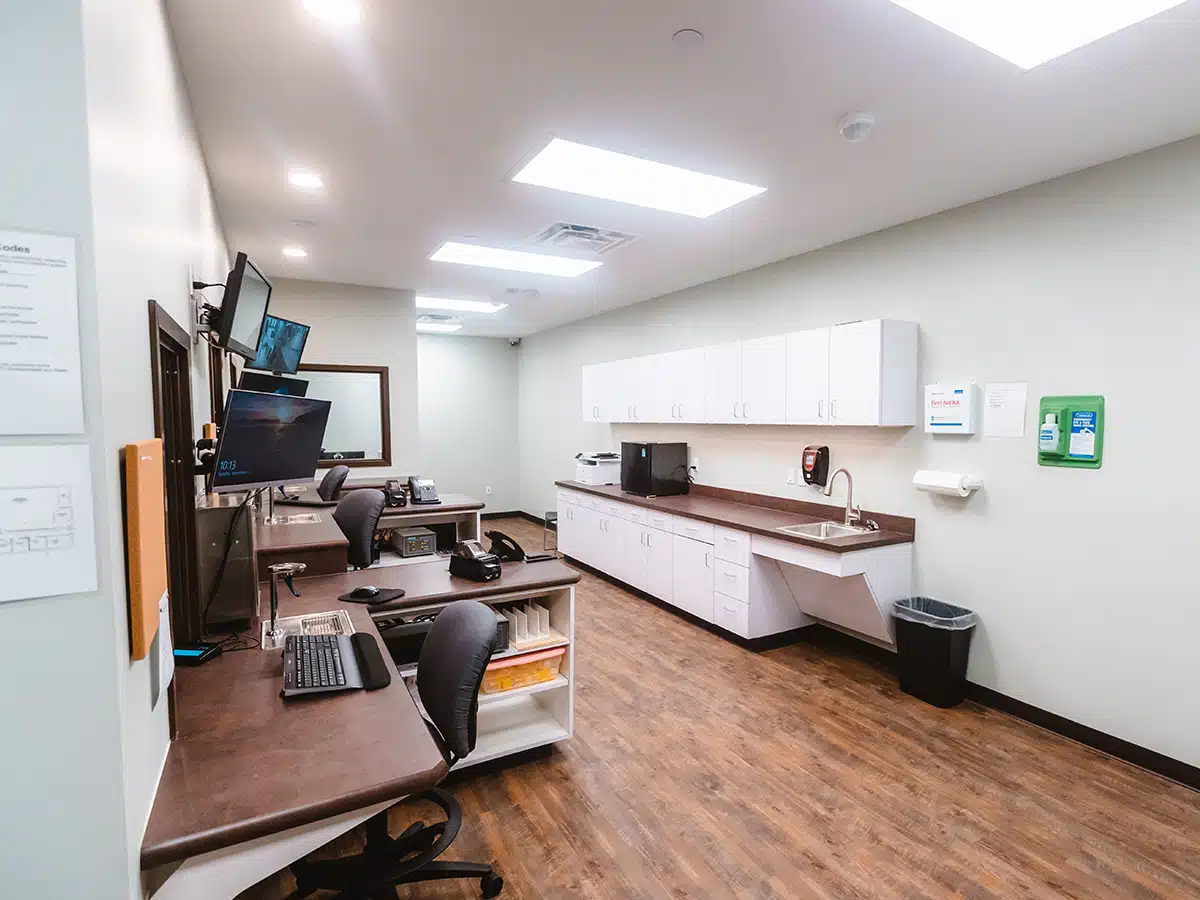
The Woodbridge Methadone Treatment Center, located in Manassas, VA, presents outpatient services aimed at supporting adults and young adults dealing with substance use issues. The center has a particular emphasis on the administration of outpatient methadone, buprenorphine, or naltrexone treatments, fostering a welcoming atmosphere that accommodates both male and female clients. To enhance the treatment experience, the facility employs a variety of evidence-based strategies, including cognitive behavioral therapy, motivational interviewing, and contingency management, which incorporates motivational incentives. This approach is designed to promote a thorough and individualized path to recovery, demonstrating the center's dedication to meeting the specific needs of each person who seeks help with substance use disorders.
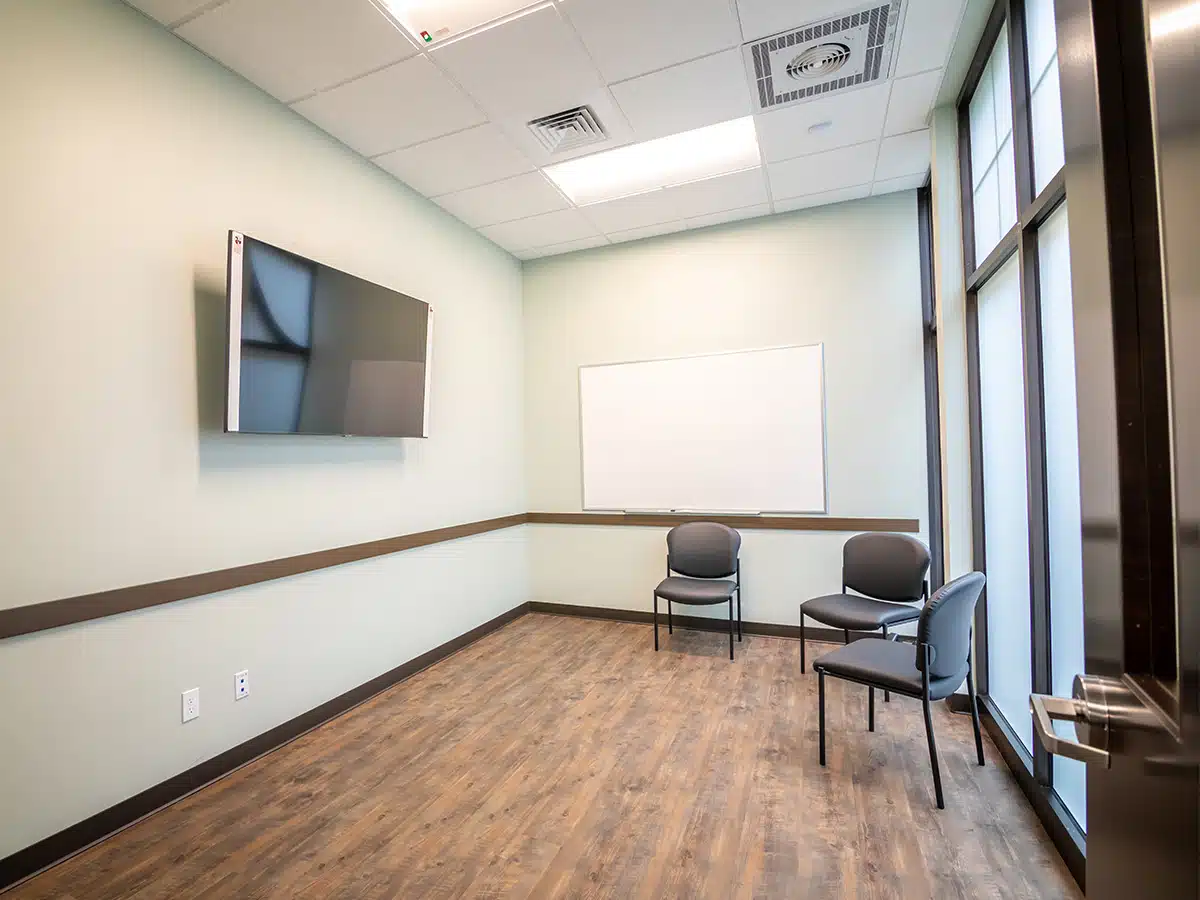
Woonsocket Comprehensive Treatment Center, situated in Woonsocket, Rhode Island, provides a range of substance use treatment options designed for outpatient care. Their offerings include methadone, buprenorphine, and naltrexone treatments, as well as regular outpatient programs. The center employs various therapeutic methods, such as 12-step facilitation, brief interventions, and contingency management, ensuring that support is available for adult men and women, including those who have faced intimate partner violence or domestic violence. Catering to both adults and young adults of all genders, the center is committed to delivering personalized care that aligns with each individual’s unique requirements. By prioritizing quality and evidence-based practices, Woonsocket Comprehensive Treatment Center aims to assist clients in their recovery journey.
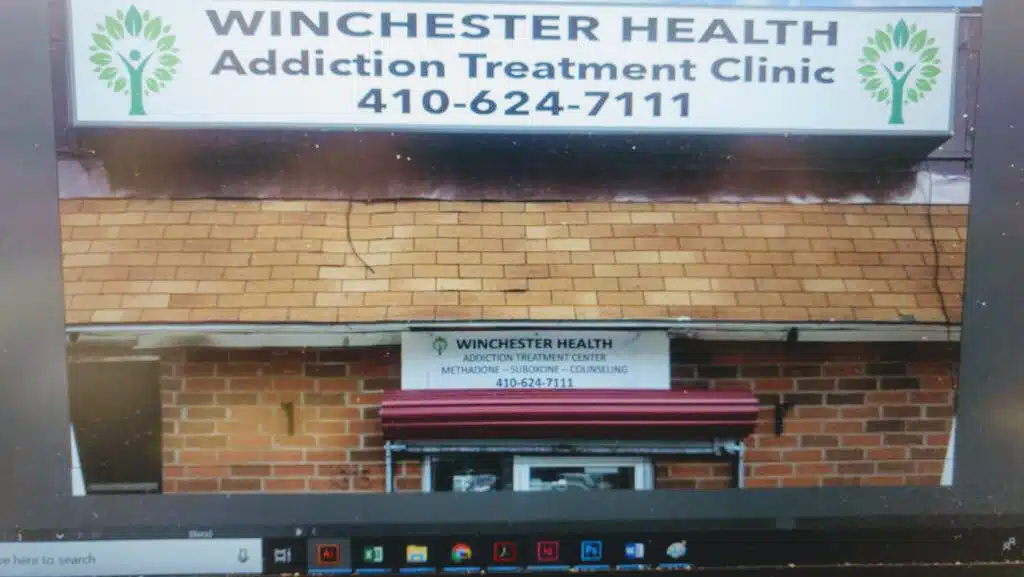
Winchester Health LLC, situated in Baltimore, Maryland, provides a wide range of substance use treatment options for both adults and young adults. This facility is particularly skilled in addressing co-occurring substance use disorders in adults alongside significant mental health conditions, as well as tackling serious emotional disturbances that affect children. The available treatment modalities encompass intensive outpatient programs, outpatient care, and outpatient treatment options involving methadone, buprenorphine, or naltrexone. The facility employs evidence-based strategies, such as cognitive behavioral therapy, contingency management, motivational incentives, and the Matrix Model, to support clients in their recovery journeys. Winchester Health LLC also offers specific programs tailored for adult men and women, as well as individuals living with HIV or AIDS. By prioritizing quality care, this center aims to meet the unique needs of both male and female clients in search of individualized rehabilitation services.
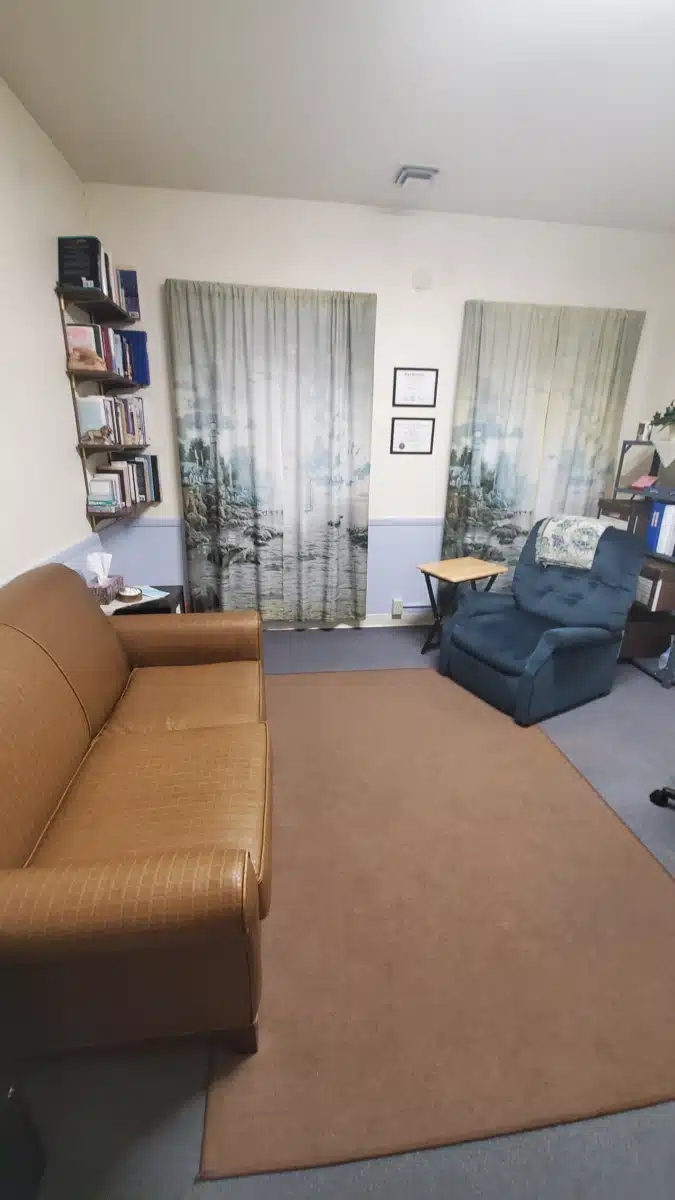
Yampa River Counseling, situated in Craig, CO, offers outpatient treatment for adults dealing with substance use issues, which includes services for young adults as well. The facility specializes in a variety of therapeutic approaches, such as cognitive behavioral therapy, motivational interviewing, and contingency management, providing specifically tailored care for clients involved in the criminal justice and forensic systems. By emphasizing personalized treatment plans, Yampa River Counseling is committed to delivering quality support that fosters recovery. Individuals seeking assistance for substance use disorders or associated challenges will find that this center employs evidence-based methods designed to help them achieve meaningful and lasting change. If you or someone you care about is in search of addiction treatment, Yampa River Counseling offers a range of comprehensive services to assist in this journey.
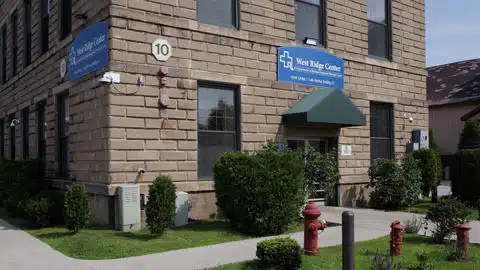
West Ridge Center, situated in Rutland, Vermont, provides a wide range of substance use treatment options for adult men and women. The facility offers outpatient therapies that include the use of methadone or buprenorphine and naltrexone, as well as regular outpatient treatment. Additionally, it has specialized programs designed for individuals facing both mental health and substance use challenges. The center emphasizes therapeutic practices such as anger management, cognitive behavioral therapy, and motivational incentives through contingency management, catering to the needs of both adults and young adults in search of effective support. Furthermore, West Ridge Center has developed gender-specific programs that ensure that care is tailored to meet the unique needs of male and female clients. Those interested in evidence-based treatment approaches can find a commitment to personalized support here, making it a resource for individuals seeking assistance on their journey towards recovery.
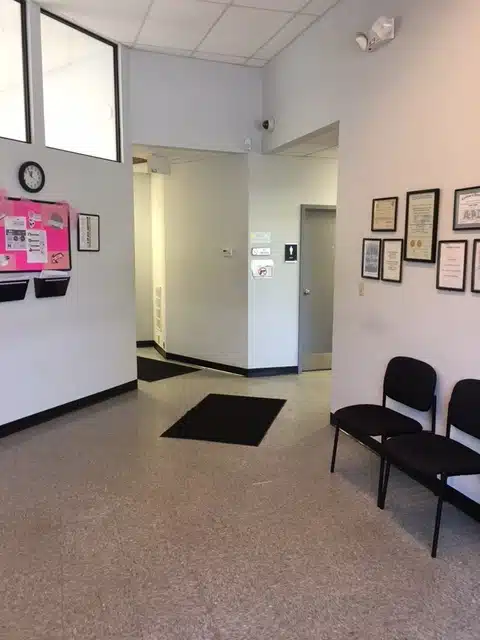
Situated in Fort Mill, South Carolina, the York County Treatment Center provides outpatient services for substance use disorders, catering to both adults and young adults. The facility offers a variety of treatment options, including outpatient care with methadone, buprenorphine, or naltrexone, as well as regular outpatient treatment and specialized programs designed for pregnant and postpartum women. Emphasizing the importance of quality care, the center employs evidence-based practices such as 12-step facilitation, cognitive behavioral therapy, and motivational incentives through contingency management. The center serves a diverse population, welcoming individuals of all genders who are seeking effective support during their recovery journey.

Situated in Arlington, VA, Women's Home Inc provides dedicated substance use treatment and transitional housing specifically for adult women. The facility offers long-term residential care designed to incorporate 12-step facilitation, brief intervention, and motivational incentives through contingency management. Programs are customized for adult women who are experiencing both mental health issues and substance use disorders, ensuring comprehensive support. Clients benefit from 24-hour care within a nurturing and secure environment. This facility is open to adults, seniors, and young adults who are looking for an all-encompassing approach to treatment in a female-only space. Women's Home Inc emphasizes personalized care, focusing on the health and recovery journey of each resident.
WellStone Inc, situated in Cullman, Alabama, offers a wide range of rehabilitation services for individuals facing challenges related to substance use disorders alongside serious mental health issues. The center provides various treatment options, including intensive outpatient, outpatient, and regular outpatient programs, specifically designed for adults and young adults. WellStone Inc employs evidence-based practices to enhance care, incorporating methods such as 12-step facilitation, cognitive behavioral therapy, and contingency management with motivational incentives to deliver tailored support. Additionally, the facility has special programs aimed at adolescents and provides services that accommodate both male and female clients. With its emphasis on quality care and diverse treatment alternatives, WellStone Inc serves as a reliable resource for individuals on their journey to recovery.
Westcare, located in Pinellas Park, Florida, is a rehabilitation center that focuses on treating substance use disorders. The center offers a variety of services including outpatient treatment, outpatient methadone or buprenorphine therapy, naltrexone treatment, and regular outpatient programs. Their approach to recovery is comprehensive, emphasizing the use of evidence-based practices such as cognitive behavioral therapy, anger management, and motivational incentives along with contingency management. The facility addresses the unique needs of different populations by providing specialized programs for adult men, adult women, and individuals who have faced intimate partner or domestic violence. Westcare serves a diverse clientele of adults and young adults, regardless of gender, with an emphasis on delivering personalized care tailored to support each individual's path to sustainable recovery.
WestCare California Inc, located in Fresno, CA, provides a wide range of substance use treatment options, including intensive outpatient, outpatient, and regular outpatient programs. The center employs evidence-based methods such as anger management, cognitive behavioral therapy, and contingency management along with motivational incentives. It also features specialized programs tailored for adult men, adult women, and individuals living with HIV or AIDS, addressing the specific needs of various populations. Welcoming adults and young adults of all genders, WestCare California Inc is dedicated to offering quality care within a nurturing atmosphere. Those in search of personalized addiction treatment, coupled with specialized program offerings, may find this facility to be a helpful part of their recovery journey.
"You Can Health Services," located in Los Angeles, CA, provides a variety of substance use treatment options, which include intensive outpatient, outpatient, and regular outpatient programs. The facility has a focus on anger management, cognitive behavioral therapy, and contingency management/motivational incentives, making it suitable for diverse groups including adult men, women, and adolescents. In addition, the center offers specialized programs designed for active duty military personnel, as well as tailored services for adolescents and adult men. By focusing on individualized care that addresses the unique needs of different age groups and genders, "You Can Health Services" aims to support individuals in their journey toward recovery in a compassionate environment.
Situated in Covington, Louisiana, the Youth Service Bureau of St. Tammany focuses on outpatient treatment for substance use disorders affecting both adults and children/adolescents who are also facing significant mental health challenges or emotional disturbances. The facility employs evidence-based methodologies, which include anger management, cognitive behavioral therapy, and contingency management, to support its clients. It offers targeted programs designed for adolescents, survivors of sexual abuse, and individuals who have encountered trauma. This center accommodates both male and female clients, including young adults, fostering a comprehensive and compassionate setting for those in need of quality care and support as they navigate their recovery journey.
Frequently Asked Questions
About Contingency Management
Contingency Management (CM) is an evidence-based behavioral therapy applying operant conditioning principles to addiction treatment. By providing tangible rewards for verified abstinence and positive behaviors, CM strengthens recovery behaviors through immediate, certain reinforcement. Research demonstrates CM is particularly effective for stimulant addiction where few other treatments work as well.
Scientific Foundation
CM is based on decades of behavioral psychology research showing that behaviors followed by positive consequences increase in frequency. In addiction, substance use is powerfully reinforced by immediate drug effects. CM provides competing positive reinforcement for abstinence and recovery behaviors, shifting behavioral patterns away from substance use toward healthy activities.
How CM Programs Work
Typical CM programs include:
- Frequent Drug Testing: Usually 2-3 times weekly to verify abstinence
- Immediate Reinforcement: Rewards provided right after negative tests
- Escalating Value: Rewards increase with consecutive achievements
- Reset Contingencies: Positive tests reset reward schedule but don't terminate treatment
- Duration: Programs typically run 12-24 weeks with gradual tapering of incentives
Research on Effectiveness
Extensive research shows CM significantly improves abstinence rates, particularly for cocaine and methamphetamine addiction where behavioral therapies are primary treatment options. CM also improves outcomes for marijuana, opioids (especially combined with MAT), alcohol, and nicotine. Benefits include better treatment retention, longer periods of continuous abstinence, and improved engagement.
Types of Rewards
CM programs use various reinforcement approaches: voucher-based systems where points are exchanged for retail goods supporting recovery (sports equipment, educational materials, personal care items); prize-based systems with drawings for prizes of varying values; or privilege-based systems within treatment settings. All avoid cash rewards that could be misused.
Sustainability and Transition
While CM provides external motivation initially, treatment also focuses on developing intrinsic motivation and identifying natural reinforcers in recovery - improved health, relationships, employment, self-respect. Many programs gradually reduce incentive magnitude and frequency, supporting transition to sustainable recovery supported by life improvements rather than tangible rewards.
CM research and information: