
Prescription Drug Abuse Treatment Centers
Prescription drug abuse, including benzodiazepines, stimulants, and pain medications, requires medically supervised treatment. Connect with centers offering safe tapering protocols, therapy, and comprehensive addiction care.
Found 124 rehab centers specializing in prescription drug abuse across the United States.
Need Help Finding the Right Treatment Center?
Speak with a compassionate specialist now - 100% free & confidential
Showing 20 of 124 prescription drug abuse rehab centers

Located in Birmingham, AL, Taproot Therapy Collective provides outpatient treatment for substance use disorders, along with specialized support for individuals facing co-occurring substance use and serious mental health conditions in adults, as well as emotional disturbances in children. The facility employs evidence-based practices in its regular outpatient services, offering interventions such as anger management, brief interventions, and cognitive behavioral therapy. Their programs are designed to meet the needs of various populations, including active duty military personnel, adolescents, and adult men. Taproot Therapy Collective emphasizes personalized care for adults and seniors of all genders, positioning itself as an essential resource for those in search of thorough and effective rehabilitation services.
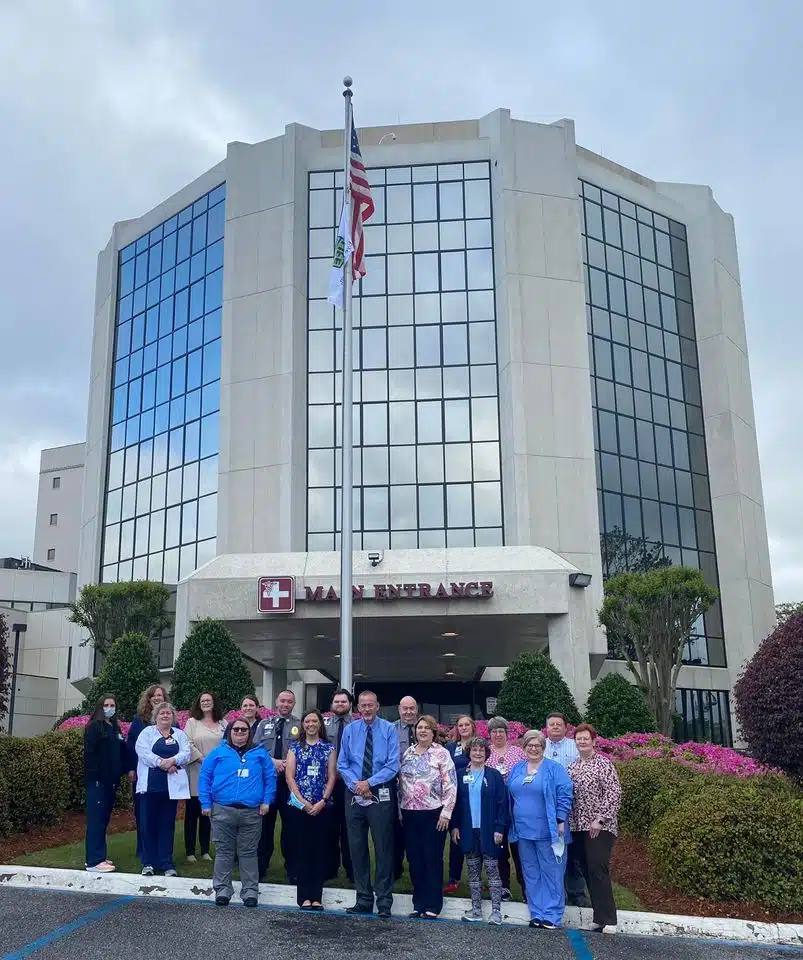
Clearview at Riverview Regional Medical Center, located in Gadsden, Alabama, provides a variety of detoxification services within a hospital inpatient framework. The program incorporates methods such as 12-step facilitation, anger management, and brief intervention strategies aimed at facilitating recovery. This facility is designed to accommodate a wide array of individuals, featuring specialized programs that specifically address the needs of active duty military personnel, as well as adult men and women. Clearview serves both adults and young adults of all genders, ensuring a supportive and secure atmosphere for its clients. The focus on personalized care, along with its specialized offerings, allows the center to effectively address the unique needs of those seeking detoxification treatment.
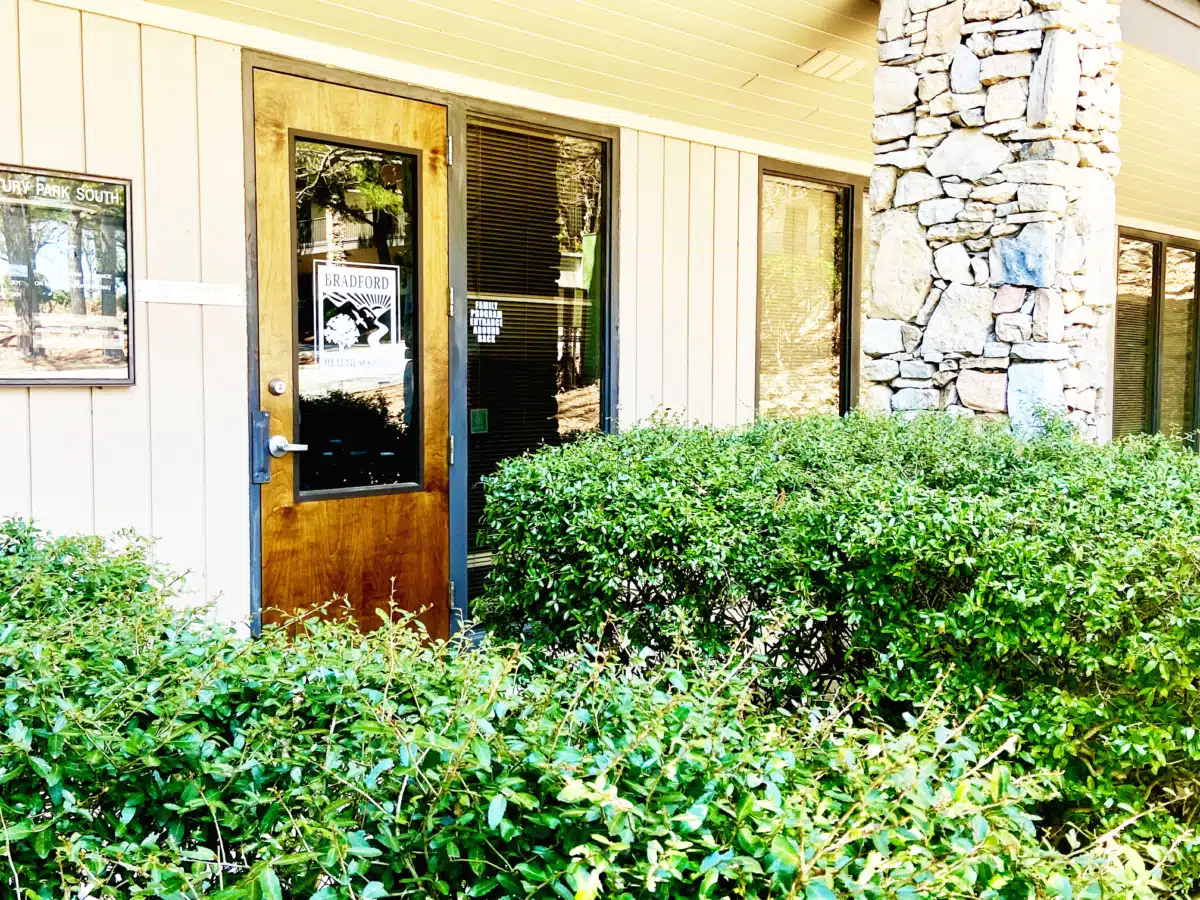
Bradford Health Services, located in Madison, Alabama, provides a range of addiction treatment programs that include detoxification and care for substance use disorders. This facility features specialized hospital inpatient services along with 24-hour support, fostering a compassionate atmosphere for both adults and young adults. The center utilizes evidence-based methods tailored to individual requirements, incorporating 12-step facilitation, anger management, and brief intervention techniques. Programs are designed to meet the specific needs of various populations, including active duty military members, as well as adult men and women. By emphasizing personalized treatment plans, Bradford Health Services aims to create a supportive path toward recovery for all clients facing the challenges of addiction.
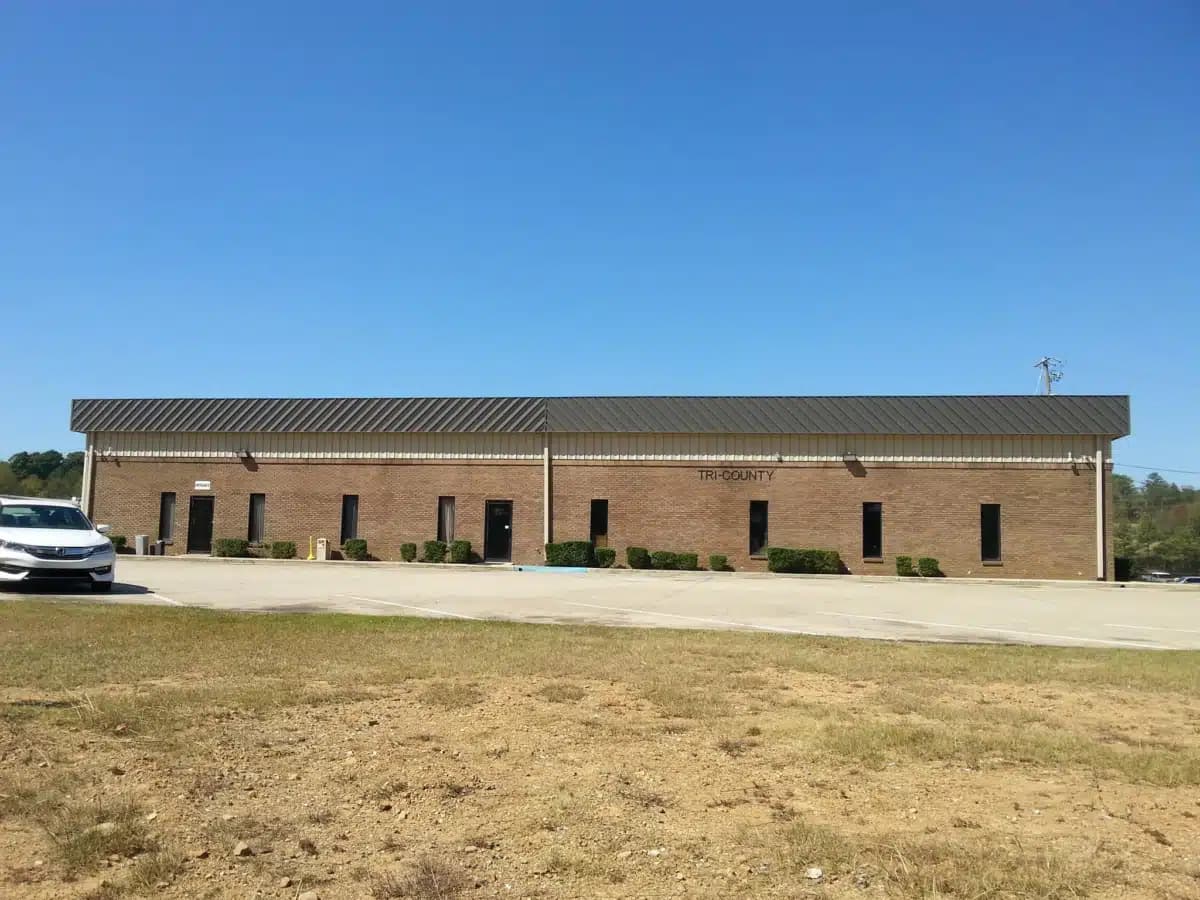
Tri County Treatment Center, situated in Birmingham, AL, provides a wide range of outpatient detoxification and substance use treatment services. The facility is dedicated to addressing the needs of diverse populations, including adult men and women, pregnant or postpartum individuals, as well as young adults. With an emphasis on individualized care, the center employs various therapeutic approaches, such as 12-step facilitation, anger management, and brief interventions, all aimed at effectively meeting each person's unique requirements. In addition to these therapeutic methods, Tri County Treatment Center specializes in offering outpatient treatment options that include methadone, buprenorphine, or naltrexone. The center is committed to creating a supportive and inclusive atmosphere for all clients, ensuring that both men and women feel welcomed as they pursue their path to recovery from addiction.

The Northwest Alabama Mental Health Center, located in Haleyville, AL, provides outpatient services for substance use, as well as specialized support for adults dealing with both substance use disorders and significant mental health issues. They also offer care for children experiencing serious emotional disturbances. The center's range of programs includes 12-step facilitation, anger management, and brief interventions, aimed at addressing diverse needs of their clients. With a particular emphasis on adolescents, the facility serves individuals of all ages and genders, fostering a supportive atmosphere for those in search of thorough treatment. Their approach ensures that each client's specific needs are met with quality care.
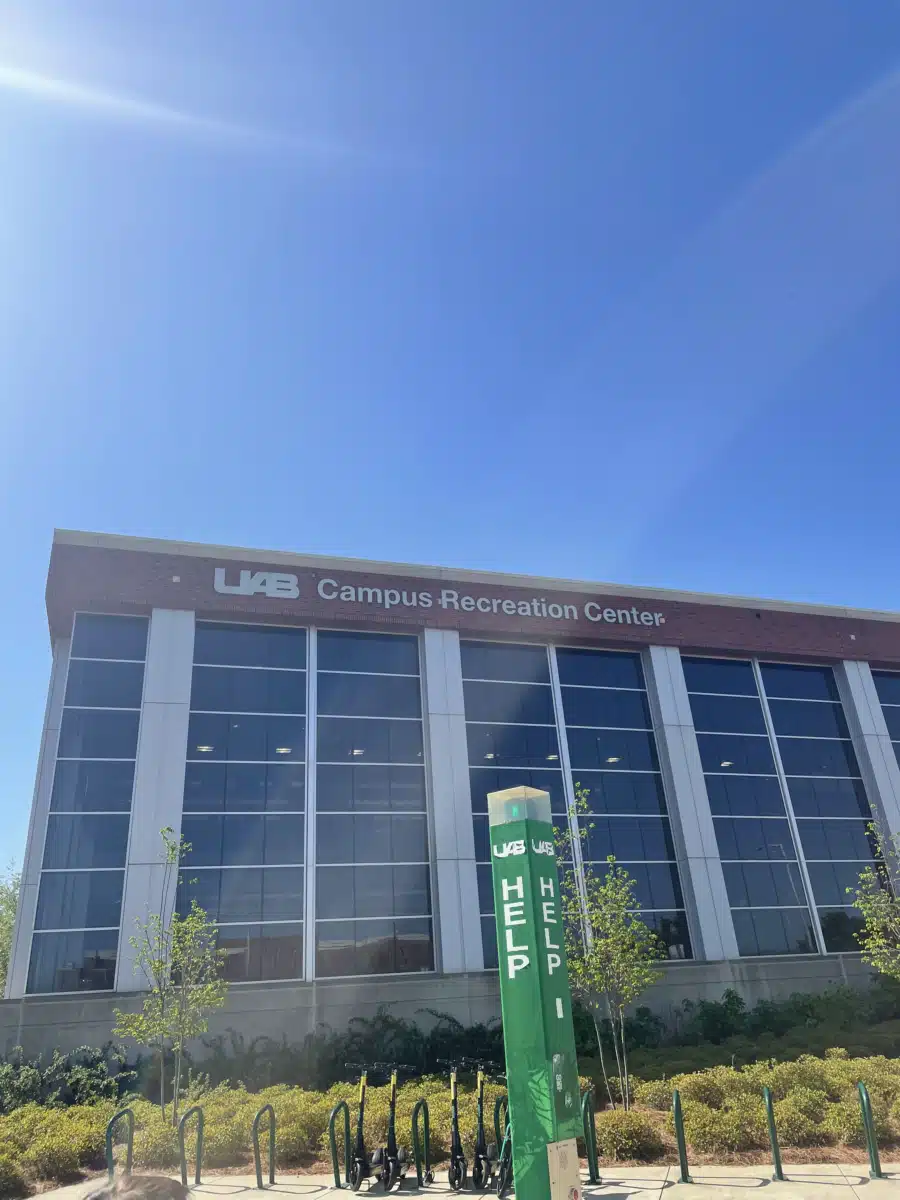
The University of Alabama at Birmingham, situated in Birmingham, AL, provides a wide range of rehabilitation services aimed at adults and seniors who are dealing with substance use disorders alongside co-occurring mental health issues. Within this facility, clients can access intensive outpatient treatment and various outpatient services, as well as specialized programs designed for individuals who have undergone traumatic experiences. The center employs evidence-based practices such as cognitive behavioral therapy, motivational interviewing, and contingency management, making its services inclusive for all genders, including male and female clients, as well as adolescents and adult women. This commitment to personalized care reflects the center's goal of offering effective support to those on their path to recovery.

Decatur Morgan Hospital, located in Decatur, Alabama, provides extensive detoxification services through its inpatient and around-the-clock care programs. The facility employs techniques such as brief intervention, motivational interviewing, and relapse prevention to offer personalized support for adults, children, and adolescents of all genders. With an emphasis on creating customized treatment plans, Decatur Morgan Hospital aims to foster a recovery journey that meets the unique needs of each individual. Patients can anticipate receiving care in a nurturing atmosphere that supports long-term sobriety. For those in search of specialized detoxification services within a hospital context, this facility represents a significant resource for individuals striving to overcome challenges related to addiction.

Pathfinder Inc, situated in Huntsville, Alabama, provides long-term residential treatment for substance use along with transitional housing specifically for adult men. The facility employs a variety of therapeutic approaches, including 12-step facilitation, brief intervention, and strategies focused on relapse prevention. This program is designed for adult males who are looking for a nurturing and constructive environment to support their journey towards recovery. Catering to a diverse age range that includes seniors, young adults, and adults, Pathfinder Inc offers 24-hour residential services that are specifically tailored to meet the needs of male clients. The organization prioritizes the delivery of high-quality care, ensuring a secure environment as individuals work to overcome challenges related to addiction.
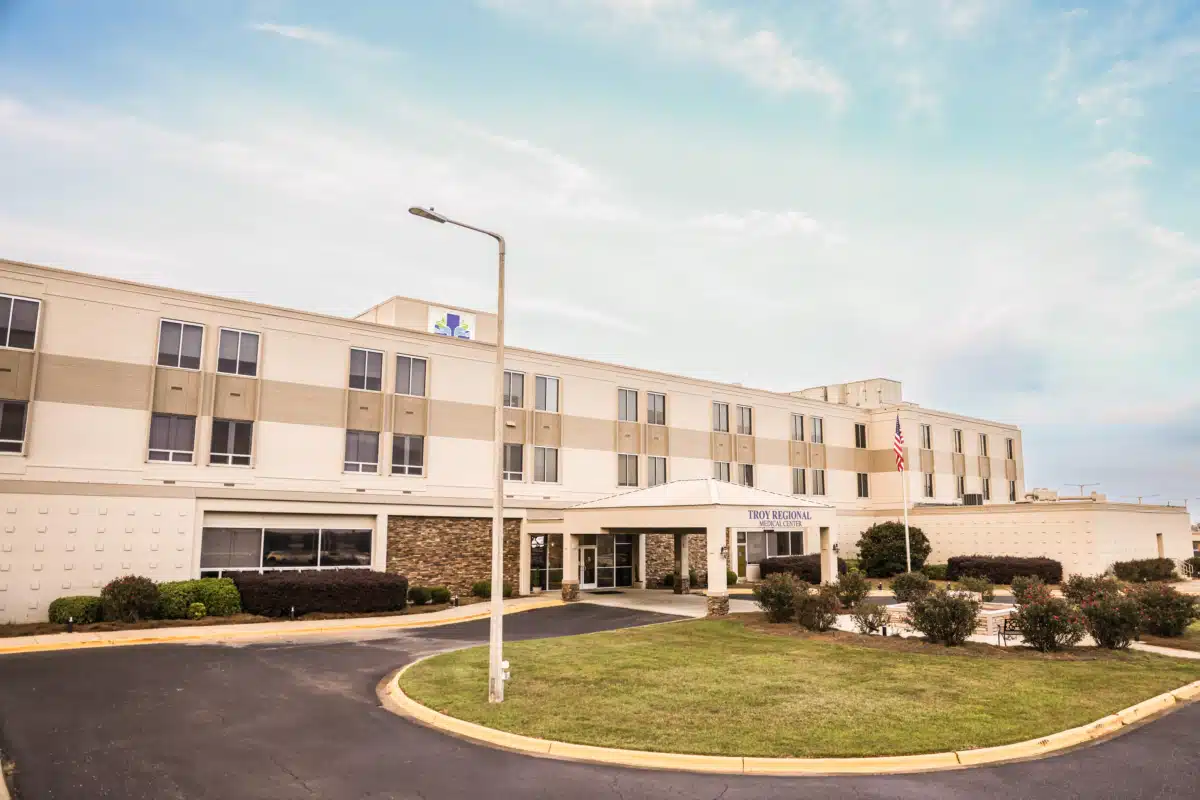
Troy Regional Medical Center, situated in Troy, Alabama, provides a wide range of addiction treatment services, which encompass detoxification and assistance for substance use issues. The center facilitates hospital-based inpatient detox programs and offers round-the-clock care for both adults and children or adolescents. It places an emphasis on counseling for substance use disorders and develops individualized treatment plans, serving both male and female clients. The approach at Troy Regional Medical Center is centered on offering personalized care, which aims to meet the unique needs of each individual to foster successful recovery outcomes.

Hope House Inc, located in Oneonta, AL, provides outpatient substance use treatment for both adults and adolescents. The facility employs various therapeutic methods including 12-step facilitation, anger management, and brief intervention strategies. It offers tailored programs designed specifically for adult men, adult women, and adolescents, ensuring that a wide spectrum of clients can find the support they need. By serving both male and female clients, the center addresses the unique challenges faced by individuals on their path to recovery. Hope House Inc prioritizes quality care and individualized treatment, aiming to assist clients in overcoming addiction and reclaiming their lives.
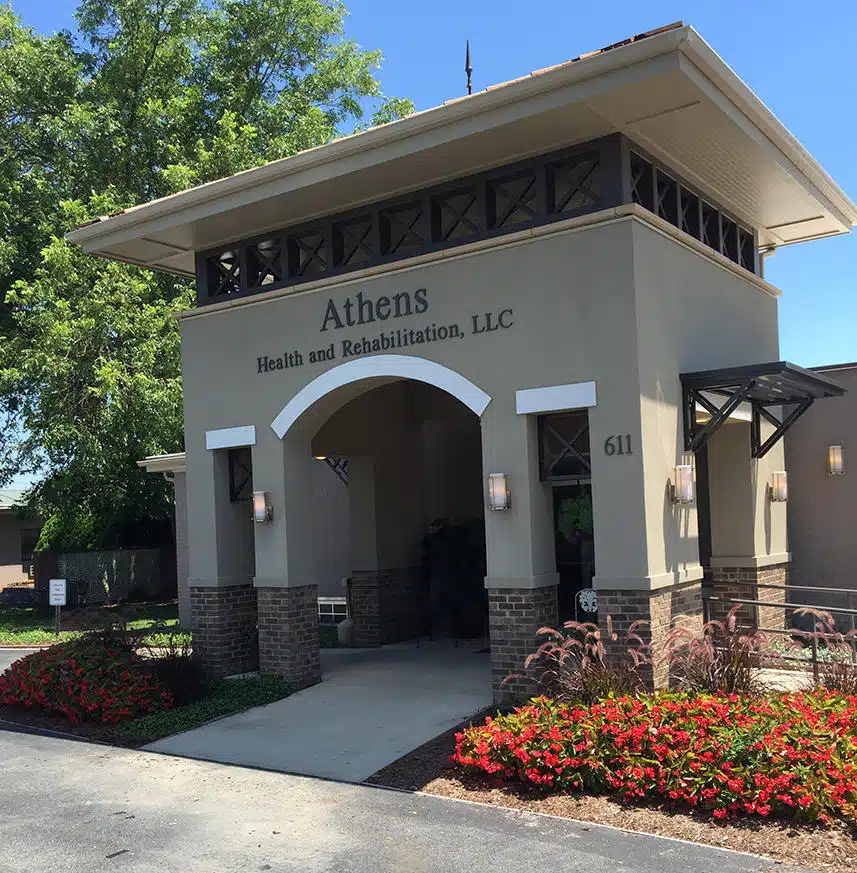
Pathway Healthcare, located in Athens, AL, specializes in outpatient treatment for adults and young adults who are dealing with co-occurring serious mental health challenges or emotional disturbances alongside substance use issues. The facility offers a range of services, including outpatient treatment options with methadone, buprenorphine, or naltrexone, along with more traditional outpatient care. Emphasizing a personalized approach, the center incorporates various therapeutic techniques such as anger management, brief interventions, and cognitive-behavioral therapy, aiming to effectively support individuals in their recovery journey. Pathway Healthcare accommodates both male and female clients, striving to provide a thorough and empathetic treatment experience. For those seeking individualized support for substance use and mental health challenges, this facility is committed to assisting you in your journey toward improved wellbeing.
Zukoski Outpatient, situated in Birmingham, AL, provides a wide range of treatment options for substance use aimed at both adults and young adults. This facility has a particular focus on addressing co-occurring substance use disorders that may be present alongside significant mental health challenges or emotional disturbances. Emphasizing intensive outpatient care, the center also offers specialized programs catering to trauma survivors, individuals with co-occurring disorders, and those managing both pain and substance use issues, thereby delivering a customized approach to rehabilitation. To ensure effective support, Zukoski Outpatient employs evidence-based practices, including 12-step facilitation, anger management techniques, and brief interventions. This commitment to quality care allows the center to meet the needs of its clients, whether male or female, who are seeking assistance on their path to recovery.
The Central Alabama VA Healthcare System, situated in Tuskegee, AL, provides a wide array of treatment services aimed at addressing substance use, transitional housing needs, and co-occurring mental health conditions for both adults and children. The facility offers various levels of care, including intensive outpatient treatment, outpatient day programs, and partial hospitalization. Their approach integrates diverse strategies, such as 12-step facilitation, anger management techniques, and brief intervention methods. Catering to both men and women, the center is also equipped to assist clients who have faced intimate partner or domestic violence. The emphasis on delivering quality care allows the center to foster a supportive atmosphere, helping all individuals, regardless of age or gender, on their path to recovery.
Northwest Alabama Mental Health Center, situated in Winfield, Alabama, specializes in outpatient services for adults facing substance use challenges alongside co-occurring mental health disorders, as well as for children experiencing emotional disturbances. The center employs a range of treatment strategies, including 12-step facilitation, anger management, and brief intervention, to facilitate recovery. An emphasis is placed on services for adolescents, and the center accommodates both adult and younger populations through gender-specific programs designed for males and females. Northwest Alabama Mental Health Center is committed to providing individualized care that supports individuals throughout their recovery process.
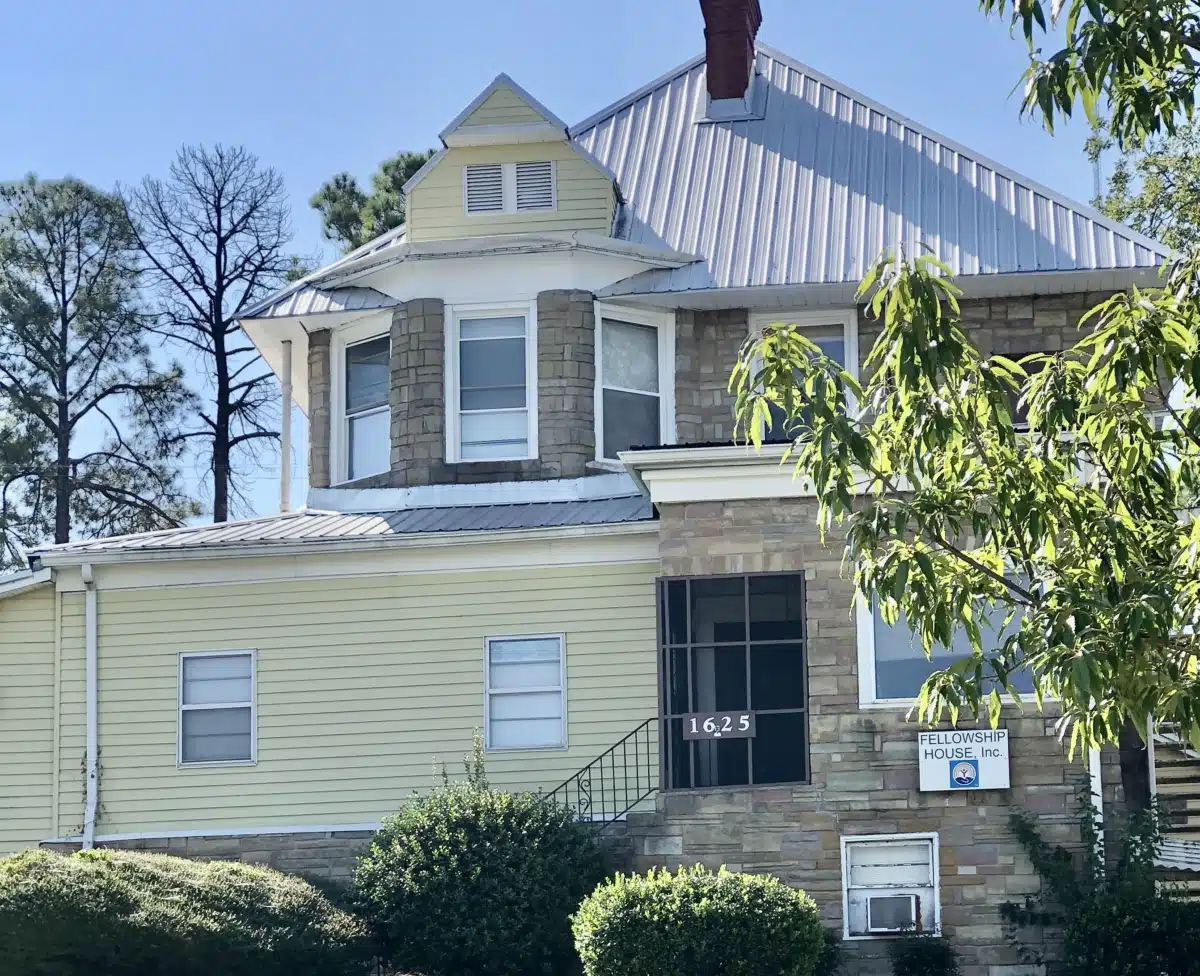
Fellowship House Inc, based in Birmingham, Alabama, specializes in providing extensive substance use treatment for adults and young adults who are also experiencing co-occurring mental health issues. The facility offers a range of services, including long-term residential care, outpatient treatment, and options for outpatient methadone, buprenorphine, or naltrexone therapies. Emphasizing approaches such as 12-step facilitation, anger management, and motivational interviewing, the center serves both men and women in need of tailored care. The treatment provided at Fellowship House Inc is centered around the individual, ensuring that clients receive care that meets their specific needs, which is crucial for effective recovery. The facility is dedicated to addressing the particular challenges faced by individuals with co-occurring disorders, positioning itself as a supportive choice for those seeking compassionate and effective rehabilitation services.
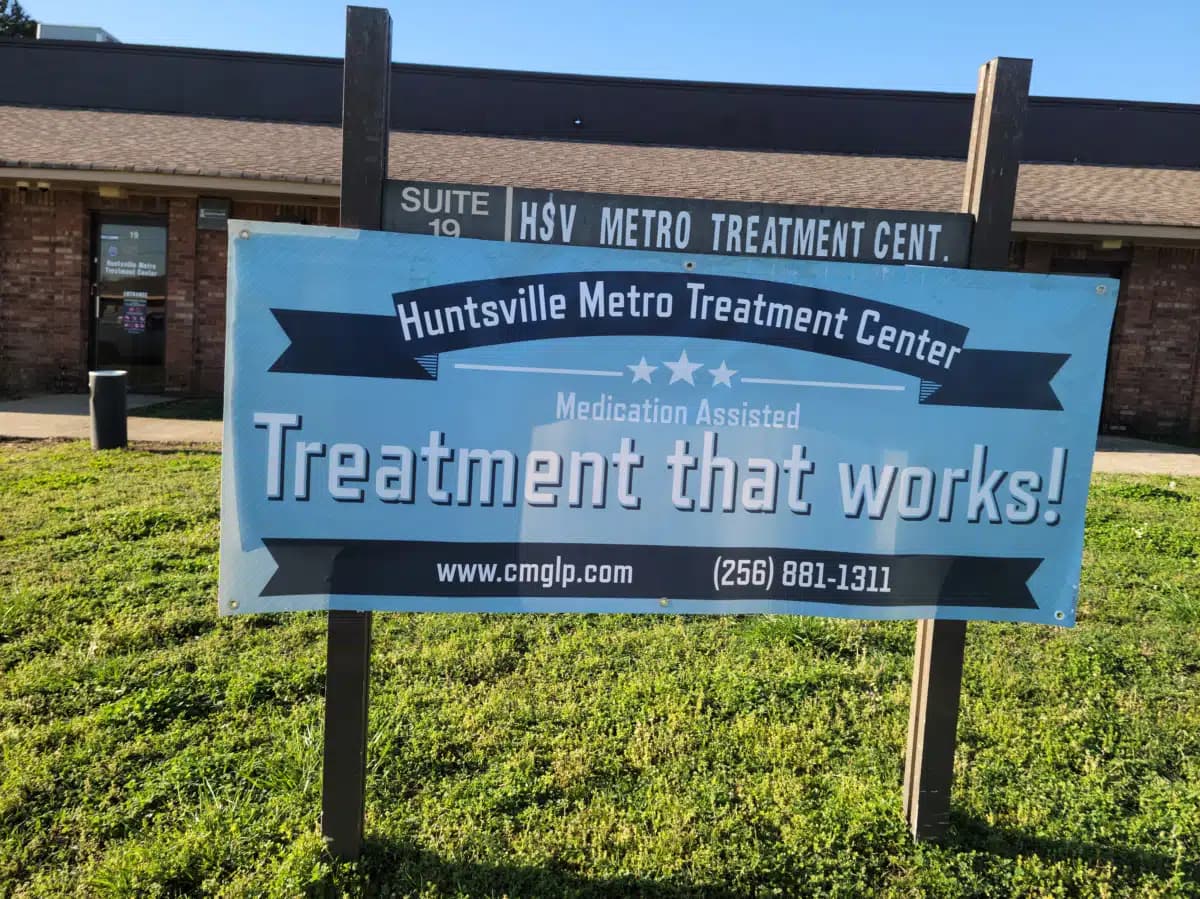
Huntsville Metro Treatment Center, situated in Huntsville, Alabama, provides outpatient detoxification and substance use treatment services tailored for both adults and young adults. The facility is designed to cater to the unique needs of active duty military personnel as well as adult men and women, ensuring a specialized approach to care. Among the therapeutic methods utilized at the center are anger management, brief intervention, and cognitive behavioral therapy. Emphasizing high-quality care, Huntsville Metro Treatment Center also offers outpatient treatment options with methadone, buprenorphine, or naltrexone. Committed to fostering a supportive environment, the center serves both male and female clients with the aim of delivering effective and comprehensive services for addiction treatment.
Metro Treatment of Alabama LP, located in Mobile, AL, provides outpatient detoxification services along with substance use treatment designed for adults and young adults. The facility employs various therapeutic approaches, including cognitive behavioral therapy and anger management, to address the unique needs of its clients. Programs are specifically available for individuals living with HIV or AIDS, those experiencing co-occurring mental health and substance use disorders, as well as pregnant and postpartum women. Committed to delivering quality care, the center offers outpatient treatment options that include methadone, buprenorphine, or naltrexone, all within a supportive atmosphere. By serving both male and female clients, this facility is focused on assisting individuals in their journey towards overcoming addiction and attaining long-term recovery.
Situated in Warrior, Alabama, Bradford Health Services provides a wide range of addiction treatment programs designed for adults and young adults. The facility is known for its hospital inpatient detoxification services, offering around-the-clock care to those who are working towards recovery from substance use disorders. A key component of their approach includes the integration of 12-step facilitation, anger management strategies, and brief intervention techniques. The center accommodates both male and female clients, and it features specialized programs aimed at supporting active duty military personnel, as well as adult men and women. Bradford Health Services is dedicated to delivering quality care and personalized treatment options that facilitate long-term sobriety for its clients.
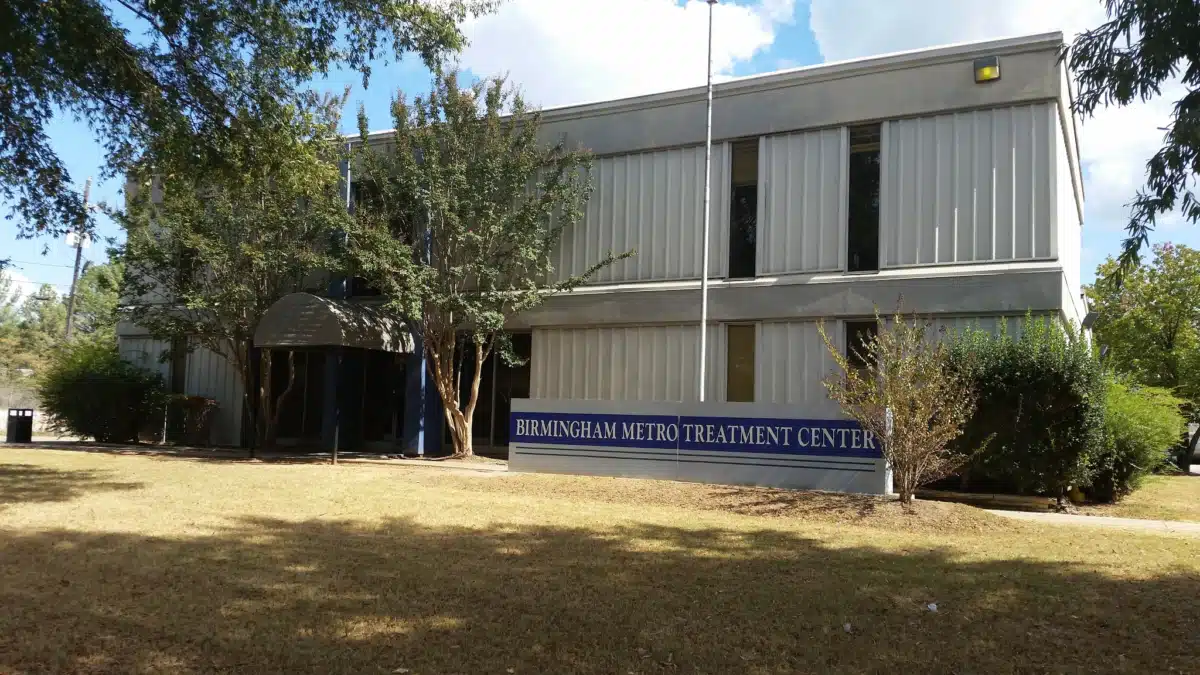
Birmingham Metro Treatment Center, situated in Birmingham, AL, provides extensive outpatient treatment programs designed for both adults and young adults dealing with substance use disorders. The facility offers a range of specialized services, including outpatient treatment with methadone, buprenorphine, or naltrexone, as well as programs in anger management, brief intervention, and motivational interviewing. Additionally, the center has tailored programs specifically for clients living with HIV or AIDS, as well as for pregnant or postpartum women. Committed to delivering personalized care, the center accommodates both male and female clients who are seeking effective support for their addiction recovery. Birmingham Metro Treatment Center strives to ensure quality, evidence-based treatment to assist individuals in their recovery journey.
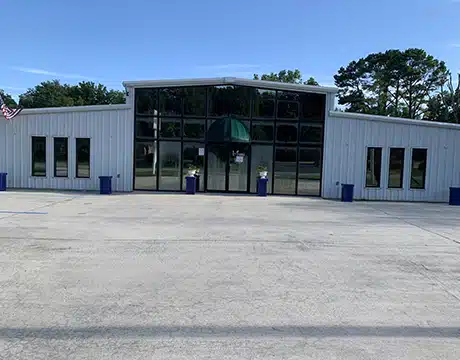
Health Connect America, located in Florence, AL, provides a comprehensive array of treatments for substance use disorders as well as co-occurring mental health issues, catering to both adults and children. The center offers various program levels, including intensive outpatient, outpatient, and regular outpatient services. Among the treatment options, clients can access 12-step facilitation, anger management programs, and brief intervention strategies. In addition, specialized programs are in place for active duty military personnel, adolescents, and adult men. The facility serves individuals of all genders, including adults and seniors, ensuring a supportive environment for those working to address addiction and mental health difficulties. With an emphasis on personalized treatment plans, Health Connect America aims to assist clients in achieving sustainable recovery.
Frequently Asked Questions
About Prescription Drug Abuse Treatment
Prescription drug abuse has become a major public health concern, affecting millions of Americans. While these medications serve legitimate medical purposes when taken as prescribed, misuse—whether increasing dosage, taking someone else's prescription, or using for non-medical reasons—can lead to dependence, addiction, and serious health consequences.
Types of Commonly Abused Prescription Drugs
The three main categories are:
- Opioid Pain Relievers: OxyContin, Vicodin, Percocet, codeine, morphine, fentanyl patches. Used for pain management but highly addictive with overdose risk.
- Benzodiazepines: Xanax, Valium, Ativan, Klonopin. Prescribed for anxiety and sleep but create physical dependence with dangerous withdrawal.
- Stimulants: Adderall, Ritalin, Vyvanse, Concerta. Prescribed for ADHD but misused for performance enhancement or recreation, leading to psychological dependence.
The Benzodiazepine Challenge
Benzodiazepine dependence is particularly dangerous. Withdrawal can cause life-threatening seizures, making medical supervision absolutely essential. Treatment involves gradual tapering over weeks or months, never abrupt cessation. Medical detox provides safe environment with monitoring, medication adjustments, and symptom management to ensure safety throughout the process.
Prescription Opioid Treatment
Prescription opioid addiction often begins legitimately but escalates to misuse and dependence. Medication-Assisted Treatment (MAT) with buprenorphine, methadone, or naltrexone combined with counseling provides the most effective treatment. Programs also work with your healthcare providers to address pain management needs through non-addictive alternatives.
Comprehensive Treatment Approach
Quality treatment includes:
- Medical Assessment: Thorough evaluation of dependence severity, medical needs, and co-occurring conditions
- Supervised Detox/Tapering: Medical management of withdrawal for safety and comfort
- Cognitive Behavioral Therapy: Addresses thought patterns and behaviors supporting misuse
- Individual Counseling: Explores underlying issues, trauma, or mental health conditions
- Pain Management Alternatives: For those with legitimate pain, developing non-addictive strategies
- Relapse Prevention: Developing skills and support systems for long-term recovery
Addressing Underlying Conditions
Many people were initially prescribed medications for legitimate conditions - chronic pain, anxiety, ADHD, insomnia. Comprehensive treatment addresses both addiction and underlying needs, working with your healthcare providers to find non-addictive alternatives. This might include non-opioid pain management, non-benzodiazepine anxiety treatment, behavioral interventions for ADHD, or sleep hygiene strategies.
Finding Specialized Care
Look for programs with experience in prescription drug dependence, medical staff who can safely manage withdrawal, psychiatric services for co-occurring conditions, coordination with your healthcare providers, and individualized treatment planning. Our directory helps you find accredited treatment centers offering specialized prescription drug abuse treatment.
Resources for prescription drug abuse: