
Dual Diagnosis Treatment Centers Near You
Dual diagnosis treatment addresses co-occurring mental health and substance use disorders simultaneously. Find integrated treatment centers providing comprehensive care for lasting mental health and addiction recovery.
Found 7,436 rehab centers specializing in dual diagnosis across the United States.
Need Help Finding the Right Treatment Center?
Speak with a compassionate specialist now - 100% free & confidential
Showing 20 of 7436 dual diagnosis rehab centers
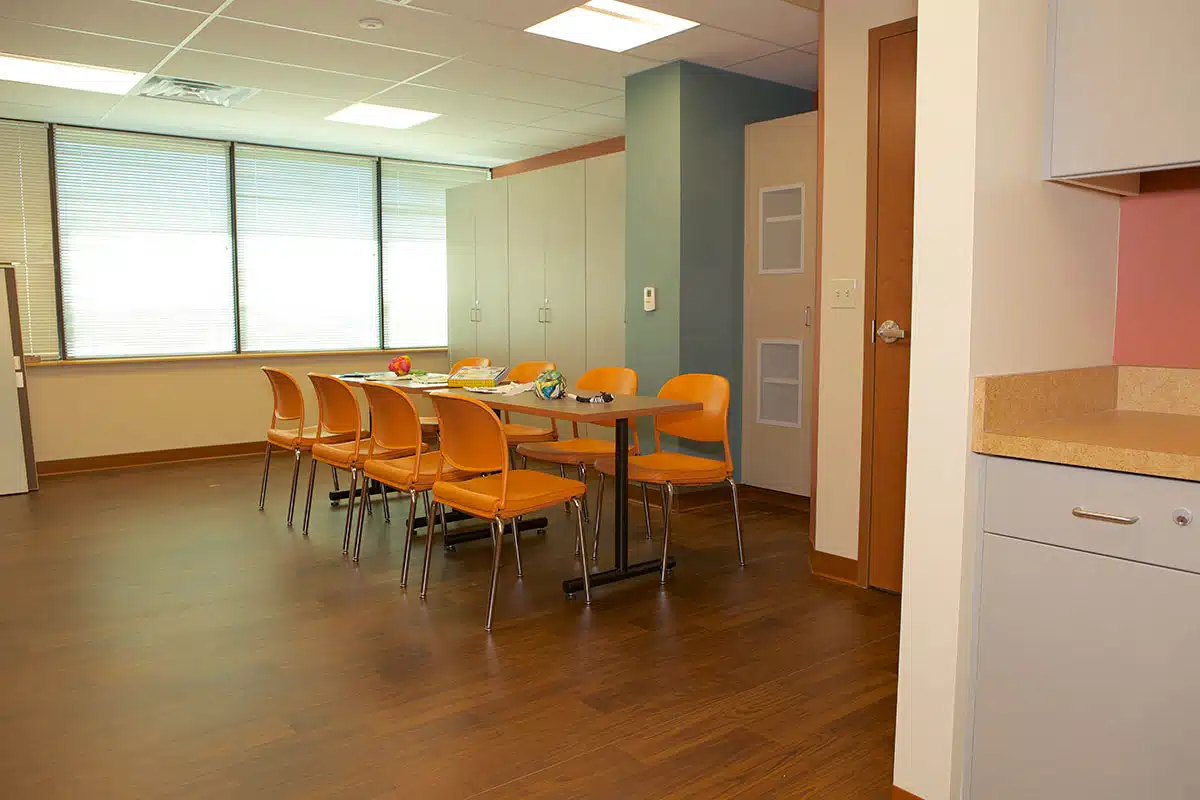
Situated in Milwaukee, Wisconsin, Rogers Behavioral Health provides extensive treatment options for individuals facing substance use challenges, as well as those dealing with serious mental health conditions that may occur alongside. The facility offers a range of programs, including intensive outpatient treatment, outpatient day treatment, and partial hospitalization, serving both adults and children/adolescents. Employing evidence-based methodologies such as 12-step facilitation, cognitive behavioral therapy, and the Matrix Model, Rogers Behavioral Health addresses the needs of various groups, including active duty military personnel, adolescents, and adult men. With an emphasis on personalized care, the center aims to support both male and female clients in their journeys toward recovery and healing.
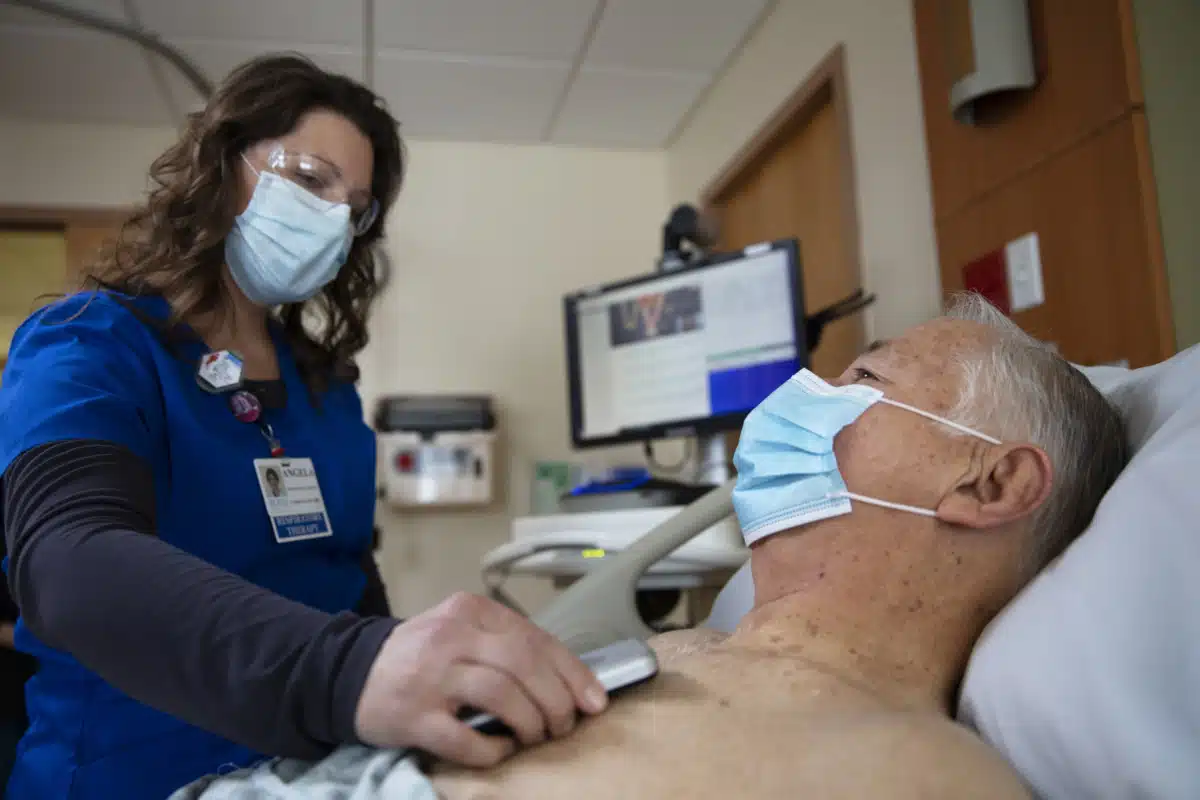
Located in Rome, NY, Rome Memorial Hospital provides a wide variety of substance use treatment options for both adults and children who are facing co-occurring mental health challenges. Their offerings encompass intensive outpatient treatment, standard outpatient care, as well as methadone, buprenorphine, or naltrexone outpatient treatment. The facility is known for its specialization in anger management, cognitive behavioral therapy, and motivational interviewing. Rome Memorial Hospital has developed specific programs aimed at meeting the needs of adolescents, as well as adult men and women, ensuring that care is tailored to both genders and various age ranges. Patients can anticipate receiving evidence-based care in a supportive environment that focuses on their individual needs.
Rogers Behavioral Health, situated in Madison, Wisconsin, provides targeted treatment for substance use and co-occurring disorders for both adults and children. The facility offers a range of options, including intensive outpatient, outpatient, and day treatment programs designed to meet diverse needs. Emphasizing 12-step facilitation, cognitive behavioral therapy, and motivational interviewing, the center customizes its approach to align with each individual's requirements. Additionally, specialized programs are available for adolescents and clients facing the dual challenges of mental health and substance use disorders. With services accessible to both male and female clients, Rogers Behavioral Health is committed to delivering compassionate, evidence-based care, positioning itself as a reliable resource for those in need of comprehensive rehabilitation services within the Madison community.

Situated in Jacksonville, Florida, Ron Cipriano and Associates delivers a broad spectrum of treatment options for substance use, specifically designed for adults and young adults. This facility features a variety of programs, including intensive outpatient, outpatient, and regular outpatient treatments, all tailored to address each individual's unique circumstances. They offer specialized care for adult men and women, as well as for clients facing both pain and substance use disorders, ensuring that each person receives the support they need. The center employs a range of therapeutic techniques, including 12-step facilitation, anger management, and brief intervention, all aimed at promoting holistic healing. Their focus on providing high-quality care to both men and women distinguishes them in their efforts to effectively address the complexities associated with co-occurring substance use and mental health disorders.
Rogers Behavioral Health, situated in Kenosha, WI, provides rehabilitation services designed for individuals facing challenges related to substance use and co-occurring mental health conditions. The center offers a variety of treatment options, including intensive outpatient treatment, outpatient day treatment, and partial hospitalization programs that cater to both adults and children/adolescents. They also have specialized programs aimed at supporting active duty military personnel, as well as adult men and women. Utilizing evidence-based methods such as 12-step facilitation, cognitive behavioral therapy, and the Matrix Model, Rogers Behavioral Health strives to meet the diverse needs of their clients. The facility is committed to delivering comprehensive care that assists individuals in their journey toward sustained recovery and improved mental wellness.
Rogers Behavioral Health, situated in Appleton, Wisconsin, provides extensive treatment options for addiction affecting both adults and children. This facility focuses on addressing co-occurring disorders related to substance use and mental health, offering a range of services that includes intensive outpatient treatment, day programs, and traditional outpatient options. The center employs evidence-based methodologies such as cognitive behavioral therapy and motivational interviewing, particularly for individuals who have a history of trauma. With specialized programs designed for adolescents and those managing dual diagnoses, Rogers Behavioral Health is committed to delivering quality care tailored to the unique needs of both male and female patients pursuing recovery and wellness.
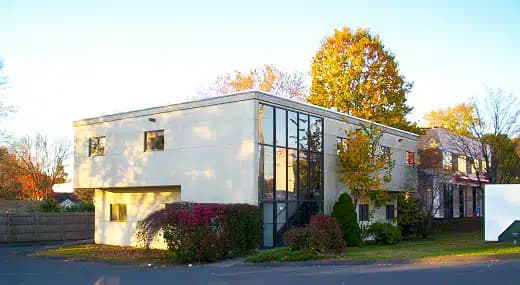
Root Center for Advanced Recovery, located in Hartford, CT, provides targeted treatment for substance use disorders, along with thorough care for individuals dealing with co-occurring mental health conditions in adults and significant emotional challenges in children. The facility offers a range of services, including intensive outpatient programs, outpatient care, and medication-assisted treatments utilizing methadone, buprenorphine, or naltrexone. The approach at Root Center incorporates techniques such as 12-step facilitation, brief intervention, and cognitive behavioral therapy to support their clients. They cater to a diverse population, providing care for adolescents, adult men, and adult women, ensuring that individuals of all genders, both adults and children/adolescents, receive personalized attention tailored to their unique situations. The center is committed to delivering quality care aimed at helping individuals on their path to recovery.
Rogers Behavioral Health, located in Oconomowoc, Wisconsin, provides specialized care for individuals grappling with substance use disorders alongside serious mental health issues, catering to both adults and children. The treatment options offered at this facility are comprehensive, encompassing intensive outpatient, outpatient, and day treatment programs. By employing evidence-based techniques such as 12-step facilitation, cognitive behavioral therapy, and the Matrix Model, Rogers is able to deliver personalized treatment for both men and women, including individuals who have faced intimate partner or domestic violence. With a particular emphasis on young adults and a focus on gender-specific care, the facility aims to offer high-quality, tailored support for those on their journey to recovery.
Situated in Hartford, Connecticut, the Root Center for Advanced Recovery offers a wide range of substance use treatment options aimed at both adults and young adults. The facility features intensive outpatient and outpatient programs, with a particular emphasis on addressing co-occurring substance use disorders along with significant mental health issues or emotional challenges. Tailoring their approach to meet individual needs, the center utilizes various methods such as 12-step facilitation, brief intervention techniques, and cognitive behavioral therapy. In addition to general treatment options, the Root Center provides specialized programs designed for adult men and women, as well as individuals who have faced domestic violence or intimate partner violence. This focus on gender-specific care ensures that clients receive the support necessary for effective and enduring recovery from substance use challenges.

ROOTS at Evergreen Grove, located in Gardner, MA, provides outpatient treatment specifically for substance use challenges faced by both adults and children dealing with co-occurring mental health issues. The facility employs a variety of therapeutic approaches, including anger management techniques, cognitive behavioral therapy, and brief intervention strategies, to cater to the diverse needs of its patients. Special programs are available for LGBTQ individuals, adolescents, as well as those navigating both substance use and mental health disorders. ROOTS at Evergreen Grove is dedicated to offering supportive services for both male and female individuals of all ages, including young adults, thereby ensuring that anyone seeking rehabilitation can find effective care within a welcoming and inclusive atmosphere.
Root Center for Advanced Recovery, situated in New Britain, Connecticut, delivers extensive treatment options for substance use disorders targeting both adults and young adults. This center is particularly skilled at addressing co-occurring substance use issues alongside more severe mental health conditions or emotional challenges. A variety of programs are available, including intensive outpatient and outpatient services, as well as treatments involving methadone, buprenorphine, or naltrexone. The treatment approach emphasizes strategies such as 12-step facilitation, brief interventions, and cognitive-behavioral therapy, allowing for personalized care tailored to the unique needs of each individual. Special programs are designed for adult men and women, including those who have faced intimate partner or domestic violence. Root Center for Advanced Recovery focuses on providing supportive and effective care for all clients who are on their journey to recovery.
Root Center for Advanced Recovery, located in Bristol, Connecticut, provides an extensive range of services designed to address substance use disorders, along with specialized care for individuals experiencing concurrent mental health challenges. The treatment offerings include intensive outpatient programs, outpatient services, and structured day treatment options. These programs emphasize various therapeutic approaches, such as 12-step facilitation, cognitive behavioral therapy, and brief interventions. Additionally, the center offers customized programs catering to adult men, women, and individuals impacted by intimate partner violence. Committed to serving adults and young adults of all genders, Root Center for Advanced Recovery strives to deliver quality care and supportive services in an inviting and professional atmosphere for individuals seeking help with addiction.
Situated in Willimantic, Connecticut, the Root Center for Advanced Recovery provides targeted treatment for individuals grappling with substance use disorders and co-occurring mental health issues. The center offers a range of services, including intensive outpatient programs, outpatient care, and medication-assisted treatments such as methadone, buprenorphine, and naltrexone. Leveraging approaches like 12-step facilitation, brief intervention techniques, and cognitive behavioral therapy, this facility serves a diverse population, including adolescents, adult men, and adult women. It is committed to providing thorough and effective support to both adults and children/adolescents, regardless of gender, to foster their journey toward recovery.
Root Center for Advanced Recovery, situated in Manchester, Connecticut, offers a wide range of substance use treatment services aimed at adults experiencing co-occurring serious mental health disorders and children facing significant emotional challenges. The facility provides various levels of care, including intensive outpatient programs, standard outpatient services, and medication-assisted treatment options using methadone, buprenorphine, or naltrexone. Emphasizing methodologies such as 12-step facilitation, brief intervention, and cognitive behavioral therapy, the center serves adult men, adult women, and adolescents. Additionally, Root Center has specialized programs designed to meet the distinct needs of various populations, allowing for personalized treatment strategies for both adults and children.
Rocky Mountain Behavioral Health Inc, situated in Canon City, CO, provides a wide range of substance use treatment options, alongside specialized services for those experiencing co-occurring serious mental health conditions. The center offers various treatment programs, including intensive outpatient, outpatient, and regular outpatient services, employing evidence-based methodologies such as anger management, brief intervention, and cognitive-behavioral therapy. Furthermore, the facility features distinct programs designed specifically for active duty military personnel, adolescents, and adult men. With a commitment to adults and seniors of all genders, Rocky Mountain Behavioral Health Inc aims to deliver quality care that assists individuals in their recovery journeys.
Rogers Behavioral Health, located in Milwaukee, Wisconsin, is dedicated to providing specialized treatment for both substance use and co-occurring disorders across various age groups, including adults and children. The facility offers a variety of outpatient and day treatment programs that are designed to deliver intensive care that meets the unique needs of each individual. Emphasizing holistic healing, Rogers integrates evidence-based methods such as cognitive behavioral therapy and the Matrix Model into their treatment plans. Additionally, the center features programs specifically aimed at supporting active duty military personnel, adolescents, and adult men, ensuring that these populations receive focused assistance. With services available for both male and female clients, Rogers Behavioral Health is committed to offering comprehensive care that facilitates individuals' journeys toward lasting recovery.
Root Center for Advanced Recovery, located in Norwich, CT, provides a variety of specialized services for individuals dealing with substance use disorders and co-occurring mental health issues, catering to both adults and children. The facility features various treatment options, including intensive outpatient, outpatient, and day treatment programs, all of which are grounded in evidence-based methods. These approaches include 12-step facilitation, brief interventions, and cognitive behavioral therapy. Additionally, the center offers tailored programs designed specifically for active duty military personnel as well as adult men and women, addressing the needs of a wide range of individuals. With a focus on adults and young adults of all genders, the facility prioritizes high-quality care and develops personalized treatment plans aimed at fostering enduring recovery.
The Root Center for Advanced Recovery, situated in Torrington, CT, provides focused treatment for substance use and co-occurring disorders specifically designed for both adults and young adults. This facility emphasizes intensive outpatient and outpatient care, employing evidence-based methods such as 12-step facilitation, cognitive behavioral therapy, and brief interventions to support recovery. The center offers specialized programs tailored to the needs of adult men, adult women, and individuals who have faced intimate partner violence. Among the available services, patients can access outpatient treatment options using methadone, buprenorphine, or naltrexone. The Root Center is dedicated to delivering quality care and comprehensive rehabilitation services for individuals navigating their recovery journey.
The Root Center for Advanced Recovery, situated in New London, CT, provides focused substance use treatment designed for adults dealing with co-occurring mental health issues, as well as for children facing serious emotional disturbances. The facility offers both intensive outpatient and outpatient programs, which utilize evidence-based methods such as 12-step facilitation, cognitive behavioral therapy, and brief interventions to ensure comprehensive care. Their programs are customized to meet the specific needs of adolescents, adult men, and women, emphasizing personalized support for each individual. Committed to fostering an environment of quality and compassion, the center accommodates both male and female clients, creating a safe and nurturing setting conducive to the recovery process.
Root Center for Advanced Recovery, situated in Middletown, Connecticut, provides a range of treatment options for substance use disorders, accommodating both adults and children who may simultaneously experience mental health issues. The facility offers various programs, including intensive outpatient treatment, outpatient services, and targeted therapies using methadone, buprenorphine, or naltrexone. To address the unique needs of its clients, Root Center employs evidence-based practices such as 12-step facilitation, cognitive behavioral therapy, and brief intervention techniques. The center serves adult men and women, as well as adolescents, with specialized programs designed to cater to different age groups and genders. This tailored approach aims to deliver personalized care and support, focusing on achieving quality treatment and fostering long-term recovery for each individual.
Frequently Asked Questions
About Dual Diagnosis Treatment
Dual diagnosis (co-occurring disorders) refers to the simultaneous presence of a mental health disorder and a substance use disorder. This condition affects nearly 50% of individuals with severe mental illness and requires specialized integrated treatment addressing both conditions together. Traditional approaches treating one condition while ignoring the other typically fail, leading to relapse in both.
Common Co-Occurring Conditions
Mental health conditions that frequently occur with addiction include:
- Depression: Major depressive disorder often co-occurs with alcohol or drug use
- Anxiety Disorders: GAD, panic disorder, social anxiety commonly co-occur with substance use
- PTSD: Trauma and addiction frequently occur together
- Bipolar Disorder: High rates of substance use during mood episodes
- Schizophrenia and Psychotic Disorders: Significantly increased substance use rates
- Personality Disorders: Borderline and antisocial personality disorders commonly co-occur
Why Integrated Treatment Is Essential
Mental health and addiction affect each other in complex ways. Mental health symptoms may lead to substance use as self-medication. Substance use worsens mental health symptoms and interferes with treatment. Withdrawal can trigger or worsen psychiatric symptoms. Each condition can mask or mimic symptoms of the other. This bidirectional relationship requires simultaneous, coordinated treatment of both conditions.
Components of Integrated Dual Diagnosis Treatment
Quality programs provide:
- Comprehensive Assessment: Thorough evaluation of both mental health and substance use
- Psychiatric Services: Medication management for mental health conditions
- Individual Therapy: Evidence-based approaches like CBT and DBT
- Group Therapy: Dual diagnosis specific groups with others facing similar challenges
- Family Involvement: Education and support for loved ones
- Coordinated Care: Mental health professionals and addiction specialists working together
- Continuing Care Planning: Long-term support for both conditions
Finding Quality Dual Diagnosis Treatment
Look for programs with:
- Licensed mental health professionals AND addiction specialists on staff
- Psychiatric services and medication management capabilities
- Experience and expertise in treating co-occurring disorders
- Integrated treatment philosophy (not separate tracks)
- Evidence-based therapies for both conditions
- Accreditation from recognized organizations (Joint Commission, CARF)
- Individualized treatment planning based on comprehensive assessment
Insurance Coverage and Access
The Mental Health Parity and Addiction Equity Act requires insurance companies to cover mental health and substance use treatment at levels comparable to medical coverage. Most health insurance plans cover dual diagnosis treatment under both mental health and substance use benefits. Contact your insurance provider or treatment center admissions teams to verify specific coverage and costs.
Resources for dual diagnosis: